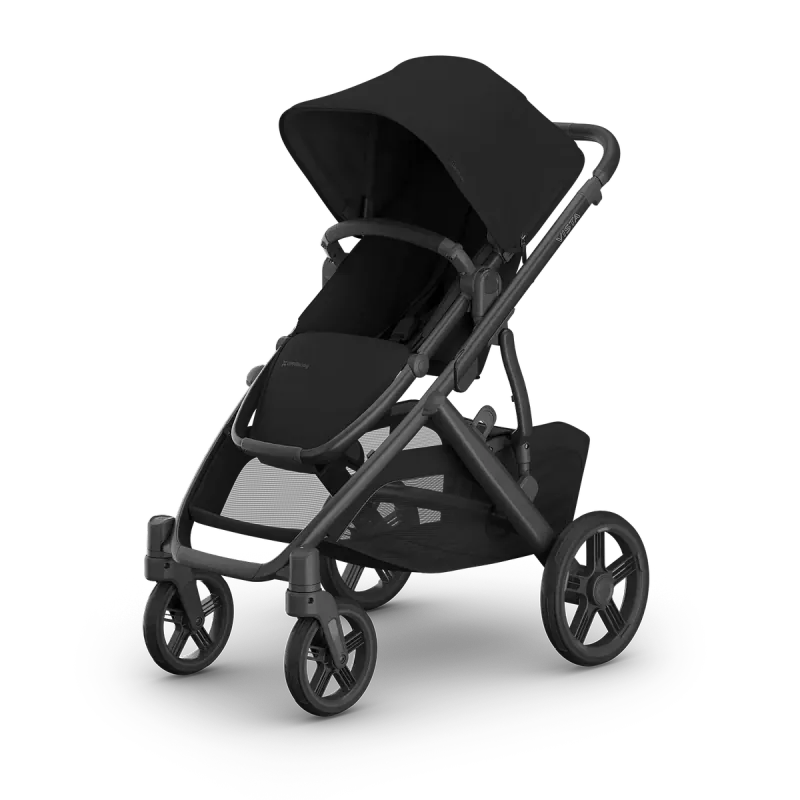
A baby car seat must be appropriate for your child's size, compatible with your vehicle and installed according to both manuals. Newborns ride rear-facing. Before the first trip, allow time to learn the installation and harness adjustments, and arrange a qualified inspection if you need help. A seat that is already installed still needs checks as your baby grows.
Gear2 products, compared
Baby car seat basics: choosing, installing and checking fit
Understand rear-facing baby car seats, prepare for installation and build a practical check routine, with official NHTSA guidance and inspection resources.
Jump to a section
The quick answer
A baby car seat must be appropriate for your child's size, compatible with your vehicle and installed according to both manuals. Newborns ride rear-facing. Before the first trip, allow time to learn the installation and harness adjustments, and arrange a qualified inspection if you need help. A seat that is already installed still needs checks as your baby grows.
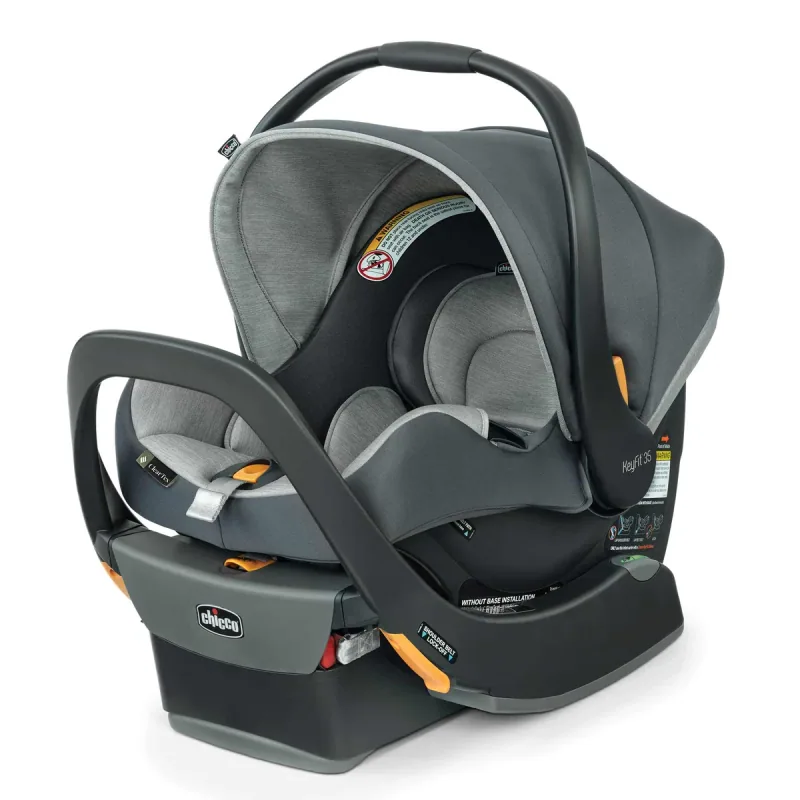
- Chicco KeyFit 35 ClearTex: an infant seat with an included base.
- Nuna RAVA convertible car seat: a seat that stays installed as the child grows.
- Use the exact model manual, including all size and developmental limits.
- Details come from manufacturer documentation; Emily has not claimed hands-on testing.
At a glance
The details that make a difference when you’re deciding.
| Product | Useful for | Detail to know | Before buying |
|---|---|---|---|
| Chicco KeyFit 35 ClearTex | An infant seat with an included base | Rear-facing use: 4–35 lb and up to 32 inches | Infant-only seat will be outgrown |
| Nuna RAVA convertible car seat | A seat that stays installed as the child grows | Current rear-facing range: 5–50 lb and 18–49 inches | No detachable infant carrier |
A closer look
Products mentioned in this guide
Actual product photos, manufacturer information, and direct links. Comparisons are based on published specifications; these are not hands-on test results.
01
An infant seat with an included base
ChiccoChicco KeyFit 35 ClearTex
KeyFit 35 ClearTex is a rear-facing infant seat that can move between a compatible stroller and its vehicle base. Chicco lists a ten-pound carrier, which is useful to distinguish from the combined seat-and-base weight. The 35-pound limit is not the only stopping rule: height, head clearance and harness fit matter too. Its carrier-only belt routing can be useful for occasional travel, provided you learn the exact installation method. Try the base in your actual car before deciding how easily this seat fits your routine.
- Rear-facing use: 4–35 lb and up to 32 inches
- Carrier weight listed at 10 lb
- Five-position headrest with no-rethread harness
- Compatible Chicco strollers and specified KeyFit bases
Where it fits
- Removable carrier for vehicle-to-stroller transitions
- Carrier-only belt installation option
What to weigh up
- Infant-only seat will be outgrown
- Compatibility depends on exact stroller and base
02
A seat that stays installed as the child grows
Nuna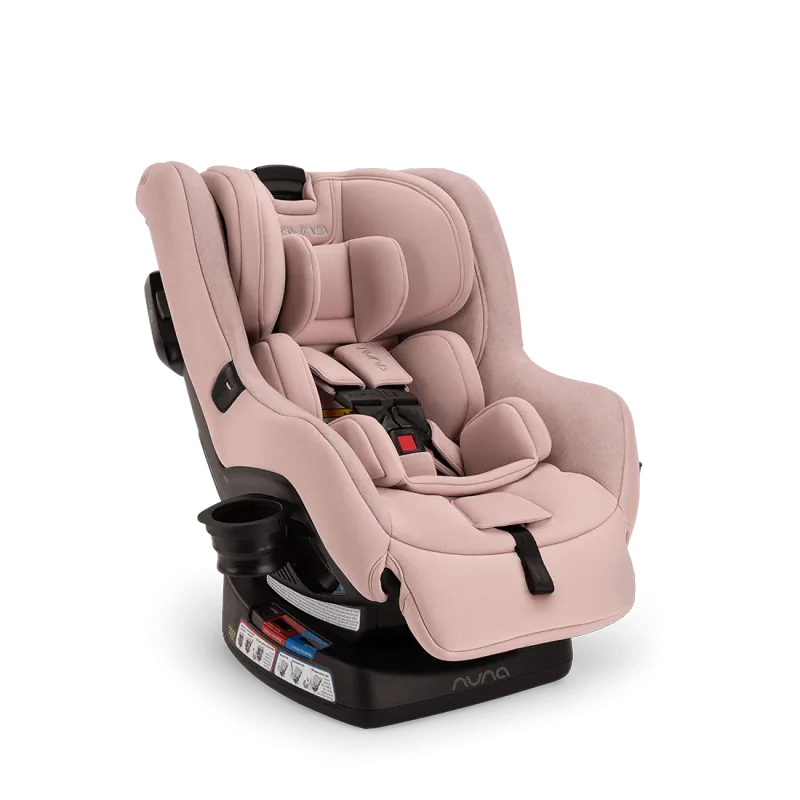
Nuna RAVA convertible car seat
RAVA illustrates the convertible-seat route: the child is buckled in the vehicle rather than carried out in a detachable shell. That can avoid buying an infant carrier first if your newborn fits correctly, but it changes every transfer from car to stroller. The current listing separates rear-facing and forward-facing requirements, and provides different manuals for older and newer production. Check the model date, recall status and exact label if considering a used seat. The published width is only a starting point for a three-across fit check.
- Current rear-facing range: 5–50 lb and 18–49 inches
- Current forward-facing range: 30–65 lb and 34–49 inches; at least 2 years
- No-rethread harness and adjustable recline
- Published weight: 27.9 lb
Where it fits
- Higher rear-facing limit than infant-only seats
- Stays installed between trips
What to weigh up
- No detachable infant carrier
- Older versions have different manuals and recall checks
Two useful starting examples
A Chicco KeyFit 35 ClearTex illustrates the removable infant-seat approach. Its shell can detach from a correctly installed base and connect to specified compatible strollers. A Nuna RAVA illustrates the convertible approach: the seat generally stays in the car while you buckle and unbuckle the child there. Either route still requires a correct rear-facing fit for a newborn; choosing a convertible does not skip the need to check minimum size and harness position.
The practical question is where the baby goes after the car stops. If you use a detachable carrier, plan an approved stroller connection and avoid turning the carrier into a routine sleep space outside the vehicle. If you use a convertible, have the stroller, carrier or another appropriate way to hold the baby ready before unloading. This small rehearsal can make the first outing less awkward.
Organize a calm installation session
Set aside time while the car is parked and there is no departure deadline. Read the vehicle’s child-restraint section and the seat manual together. Identify the correct belt path, recline indicator and approved installation method before pulling straps tight. Do not assume lower anchors are always preferable to the seat belt; use an allowed method that gives a correct installation and respects its limits.
NHTSA’s rear-facing installation guide explains the general checks, including secure installation and snug harness fit. It does not replace model-specific details such as a load leg, lock-off or infant insert. Check movement at the belt path as instructed, and arrange a technician inspection when you are unsure.
Make the daily buckle routine consistent
Before each journey, look for twisted harness webbing and check the child is seated as the manual directs. Use ordinary well-fitting clothing that allows the harness to sit correctly. Bulky coats or unapproved padding can change the fit; follow the seat maker’s guidance rather than adding accessories because they are sold beside car seats.
Check the harness position as the child grows. The fact that the buckle still closes does not prove the seat still fits. Review the weight, height, head-clearance and other stopping rules together. Moving out of an infant-only seat normally means investigating a larger rear-facing seat, not automatically turning a young child forward.
Keep the information you would need after a problem
Save the model name, manufacturing date, serial number, manual, receipt and registration confirmation. Keep them somewhere accessible without removing the installed seat. These details make a recall lookup or replacement-part request much more precise. For a crash, follow the manufacturer’s replacement instructions and relevant NHTSA guidance; do not judge the seat only by whether the shell looks undamaged.
Follow cleaning directions separately for the cover, harness, buckle and shell. Soaking or using a harsh cleaner on parts can conflict with the manual even when the fabric cover is machine washable. For a comparison of actual infant and convertible models before purchasing, see best baby car seats.
Understand rear-facing seat choices
Rear-facing-only infant seats usually have a removable carrier, often paired with a base. Convertible seats can be used rear-facing and later in another permitted mode. Choose the format around your routine without assuming a newborn necessarily needs a detachable carrier.
Remain rear-facing until the child reaches the seat's rear-facing height or weight limit. Outgrowing a removable infant seat can mean moving to a larger rear-facing convertible seat. NHTSA explains the seat stages and selection process.
Read both manuals before installation
Find the vehicle section covering child restraints, permitted seating positions and belt or anchor use. Then read the car-seat instructions for your exact configuration. Do not combine steps from a different model simply because it looks similar.
NHTSA's rear-facing installation guide provides an overview, but the product and vehicle manuals govern the details. Use only an installation method they permit. Questions about seat-belt locking, lower-anchor limits or unusual vehicle floors deserve a clear answer before travel.
Practice harnessing before a rushed outing
Learn how to adjust the harness height and loosen and tighten the straps. Check the instructed position and fit each time, accounting for the baby's growth and clothing. Keep bulky layers and unapproved padding from interfering with the fit, following the manual's clothing guidance.
Set up a simple handoff between caregivers: who buckles the baby should also complete the fit check. If another person changes the harness setting, tell the next caregiver rather than assuming they will notice. Familiarity is useful, but it should not replace checking the current fit.
Keep a record of the seat
Photograph the model and manufacturing label for your private records, and register the seat with its maker. Save the manual somewhere accessible from your phone. Keep the purchase date and any recall or service communication together.
For a borrowed or used seat, establish its history and service-life limits before use. Missing parts, unknown crash history or an unreadable label make that assessment difficult. Do not repair damage with household hardware or add an accessory merely because it is advertised as universal.
Plan for life outside the car
A car seat's travel role does not make it a routine sleep space at home. After arriving, move a sleeping baby to an appropriate firm, flat sleep surface. The AAP explains why sitting devices are not substitutes for infant sleep spaces.
Keep feeding cleanup separate from restraint modifications. Use only accessories the seat manufacturer approves, and follow its instructions after spills. If installation or fit remains uncertain, use NHTSA's inspection-station resources to locate qualified help. A short session with a technician can address your actual seat and vehicle far more precisely than a general shopping guide.
If another caregiver will drive, teach the entire buckle and installation check before their first trip. Keep the exact seat manual accessible to that person, and ask them to demonstrate the steps back to you rather than relying on a verbal explanation alone.
A few more details
Your questions, answered
When should a baby turn forward-facing?
Keep the child rear-facing until they reach the rear-facing height or weight limit of their seat. Follow the manufacturer and NHTSA guidance rather than using a birthday alone.
Can my baby stay asleep in the car seat after we get home?
Move the baby to an appropriate firm, flat sleep surface after arrival. A car seat is intended for travel, not routine sleep outside the vehicle.
Can I use the same manual for every RAVA production year?
Check the identifying label. Nuna provides different manuals for older and newer RAVA production, and current listing requirements should not be assumed to apply to an older seat.
Where can I get an installation checked?
NHTSA’s car-seat resources link to inspection services and certified child passenger safety technicians. Bring the vehicle and exact seat instructions to the check.
Sources & product information
Follow the original sources for current product details, instructions, and guidance.