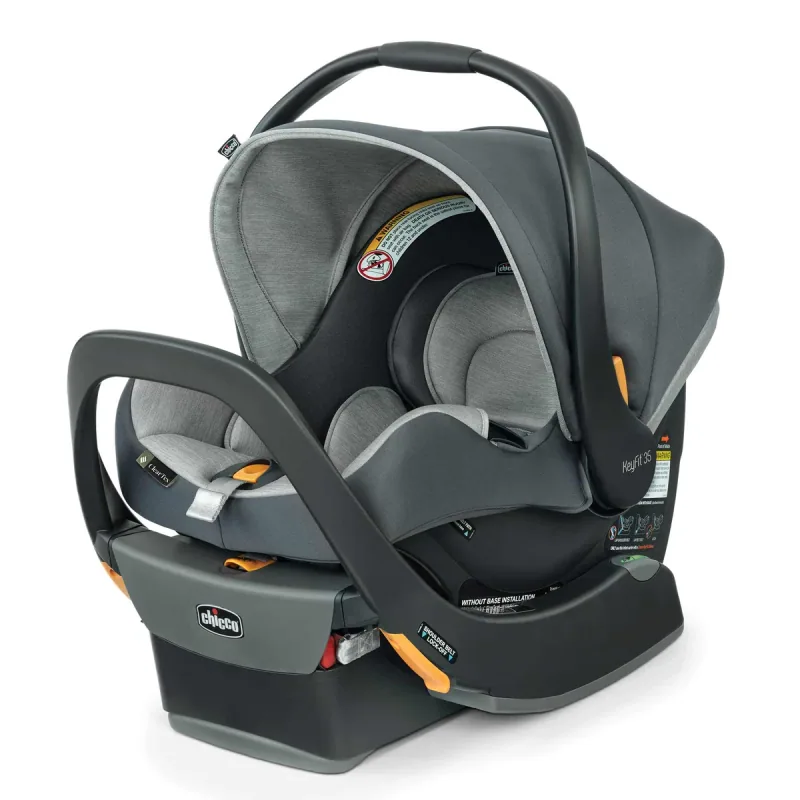
A baby stroller is most useful when it is set up for your child's current stage and ready for the trips you actually take. Learn the fold, brake and harness before the first busy outing, pack within the stated limits and keep the matching manual handy. Recheck the configuration as your baby grows or accessories change.
Gear2 products, compared
Baby stroller everyday guide: setup, outings and care
Make everyday stroller trips easier with a setup routine, packing checklist and care plan, plus guidance on compatibility, secondhand frames and sleep.
Jump to a section
The quick answer
A baby stroller is most useful when it is set up for your child's current stage and ready for the trips you actually take. Learn the fold, brake and harness before the first busy outing, pack within the stated limits and keep the matching manual handy. Recheck the configuration as your baby grows or accessories change.
- UPPAbaby Vista V3: a full-size stroller with family expansion options.
- Joolz Aer+: a lightweight travel stroller to compare with newer models.
- Use the exact model manual, including all size and developmental limits.
- Details come from manufacturer documentation; Emily has not claimed hands-on testing.
At a glance
The details that make a difference when you’re deciding.
| Product | Useful for | Detail to know | Before buying |
|---|---|---|---|
| UPPAbaby Vista V3 | A full-size stroller with family expansion options | Frame and seat listed at 27.6 lb | Size and lifting weight matter |
| Joolz Aer+ | A lightweight travel stroller to compare with newer models | US-listed stroller weight: 13.2 lb | Older model; linked Navy Blue variant unavailable September 30, 2026 |
A closer look
Products mentioned in this guide
Actual product photos, manufacturer information, and direct links. Comparisons are based on published specifications; these are not hands-on test results.
01
A full-size stroller with family expansion options
UPPAbabyUPPAbaby Vista V3
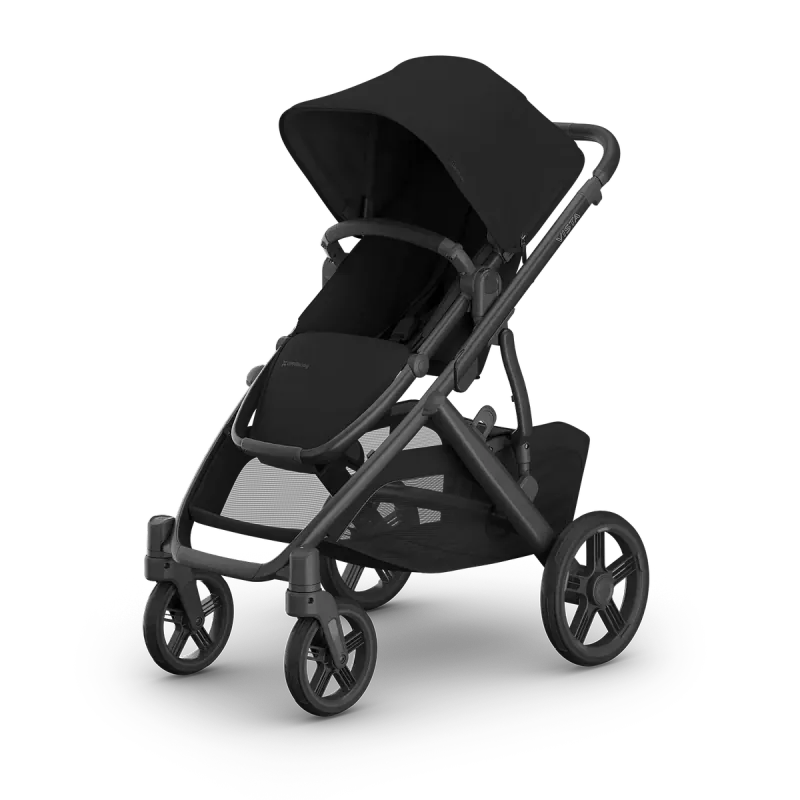
Vista V3 makes sense to compare when basket space, a reversible seat, and future seating configurations matter more than the smallest possible fold. The expansion story depends on accessories and allowed combinations, so price the actual two-child setup rather than the single stroller alone. Its width and lifting weight are consequential if you use stairs or a small trunk. The standard toddler seat also has a different starting point from an approved newborn configuration. Measure your storage area, then check the exact current bundle contents.
- Frame and seat listed at 27.6 lb
- 25.7-inch overall width
- Basket capacity listed at 30 lb
- Toddler seat from 3 months; newborn use requires approved configuration
Where it fits
- Large basket and reversible seating
- Expansion accessories available
What to weigh up
- Size and lifting weight matter
- Additional seating costs extra
02
A lightweight travel stroller to compare with newer models
Joolz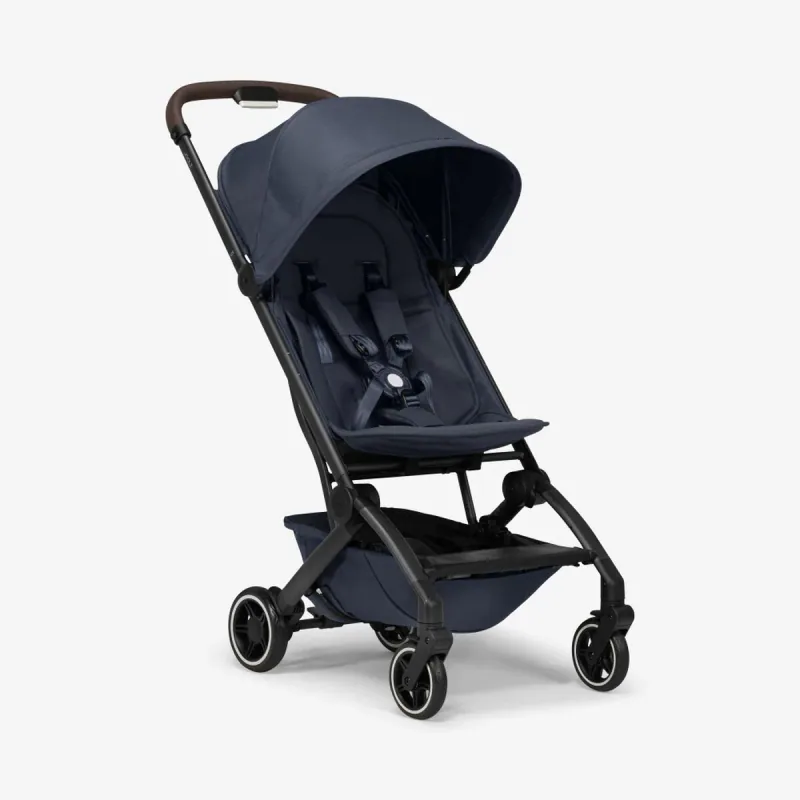
Joolz Aer+
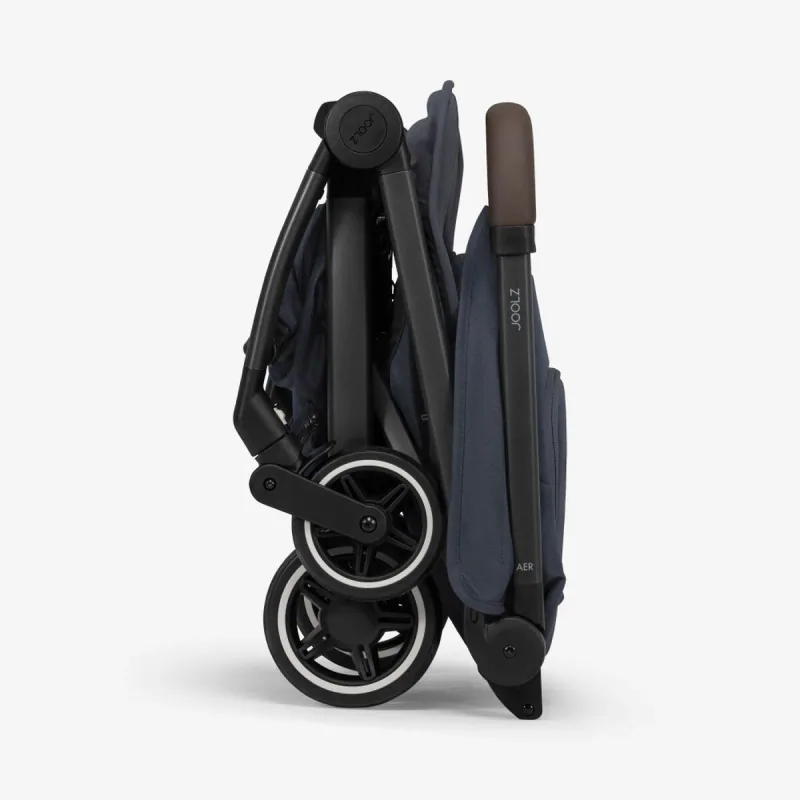
Aer+ is the 13.2-pound compact model many shoppers saw in 2025 comparisons. It is useful when carrying the folded stroller is a regular part of the day, but the exact seat rules and included accessories depend on the market. The linked US listing identifies the Aer+ rather than silently substituting the newer Aer². The linked Navy Blue variant was unavailable on September 30, 2026; this remains an older-model reference. Use the folded measurements to check your own storage, and ask the airline about its current baggage policy instead of treating “airplane compatible” as a boarding guarantee.
- US-listed stroller weight: 13.2 lb
- Folded: 21 × 17.7 × 8.5 inches
- Child capacity listed at 50 lb
- Travel pouch included on linked US listing
Where it fits
- Low carrying weight
- Compact one-hand fold
What to weigh up
- Older model; linked Navy Blue variant unavailable September 30, 2026
- Check US newborn requirements separately
Prepare the stroller you own, not a generic model
A full-size UPPAbaby Vista V3 and a compact Joolz Aer+ illustrate why daily routines should follow the exact manual. They differ in folded shape, lifting weight, basket limits and suitable seating configurations. Keep the model name and generation with the instructions, especially when borrowing accessories or asking another caregiver to use the stroller. Aer+ is an older-model example: the linked Navy Blue variant was unavailable on September 30, 2026, so this reference should not be read as confirmation of current stock.
Before the first outing, practice with the empty stroller on a clear, level floor. Learn where the folding lock, brake and wheel releases are. Confirm the seat or approved infant attachment locks in place as directed. A familiar clicking sound from another brand is not proof that this model is correctly assembled.
A realistic short-trip packing list
Pack only what the outing needs: feeding supplies if relevant, a change of clothing, a couple of washable cloths, wipes and your own essentials. Put the load in the basket within its stated capacity. Avoid hanging a heavy bag on the handle as a convenient shortcut, because the stroller’s stability and approved load placement matter.
Keep frequently used items accessible without reaching over the baby or opening several compartments. A small waterproof bag for wet clothes can prevent a spill from soaking the rest of the basket. Cloths used after a feed should be put away afterward, not draped over the child or used to cover the stroller opening.
Plan for doors, curbs and the car
At a doorway, stop and work out the route before maneuvering through a narrow gap. Follow the manufacturer’s directions for curbs and avoid lifting the stroller by parts that are not intended as carrying points. Escalators and an occupied stroller are a poor combination; use a suitable elevator or other safe route.
At the car, have a place for every step. Secure the baby appropriately before folding and loading the empty stroller. Keep fingers and loose fabric away from the folding joints. Check that the folded stroller is secured with other luggage as the vehicle’s instructions require. If the fold needs the seat or wheels removed, practice that before a rainy parking-lot attempt.
Deal with mess without damaging the equipment
Separate the fabric-cleaning directions from the frame and wheel instructions. A washable liner does not mean the harness, canopy and entire seat can all go into a machine together. Dry components fully as directed before reassembly. Brush off loose debris and inspect wheels for material caught around the axle.
If a brake, buckle or fold becomes unreliable, stop using the affected equipment until the manufacturer advises how to correct it. Do not improvise a structural repair with tape, hardware-store fasteners or an unrelated replacement wheel. Record the symptom and model details so support can identify the right part.
Review the fit as your child grows, including harness adjustment and the seat’s limits. For another purchase or a hand-me-down, the stroller selection guide gives a measurement and compatibility checklist. A reliable daily routine comes from knowing the exact equipment and making those checks easy to repeat.
Build a quick before-you-leave routine
Make sure the frame is fully open and locked, the seat is attached as instructed and the harness is correctly adjusted. Check the wheels and brake before placing your baby inside. Keep fingers and the child clear of folding mechanisms while opening or closing the frame.
Use the basket and approved storage areas within their limits. Hanging an overloaded bag from a handle can change how the stroller balances; follow the specific manual rather than copying a photo. Decide where your phone, keys and a small cleanup kit will go so they are reachable without unfastening the baby.
Prepare for the actual outing
For a neighborhood walk, keep the kit small: the items you need for feeding, diaper changes and an ordinary spill. For a longer trip, plan where you can stop for a break rather than treating the stroller as a place the baby must remain throughout.
Check weather protection against the manufacturer's instructions. Do not drape a loose blanket over the stroller opening as an improvised enclosure. Keep an eye on the baby and the conditions, and avoid assuming that a canopy or fan removes the need to reassess comfort.
Keep travel and sleep uses distinct
A stroller seat or attached car seat is not automatically an approved infant sleep space. If your baby falls asleep in a sitting device, transfer them to an appropriate firm, flat sleep surface as soon as possible. The AAP's safe-sleep guidance explains the distinction.
Some products have a separate bassinet or other specifically approved configuration. Read its instructions for permitted use and any required stand or support. The word “recline” alone does not establish that a seat is suitable for unsupervised or overnight sleep.
Clean and inspect without improvising repairs
Remove crumbs and dirt using the approved method, then follow the exact fabric-care label. Keep water away from parts the manual says should not be soaked. Allow components to dry fully before storage, and check that any removed fabric or straps are reinstalled correctly.
Inspect wheels, fasteners, harness webbing and folding locks during ordinary care. If a component is damaged, ask the manufacturer for the matching replacement. Do not substitute generic hardware or force a stiff mechanism; those actions can hide the underlying problem.
Keep model information with the stroller
Save the model, serial information, manual and purchase record privately. This makes ordering parts, checking compatibility and responding to recalls much easier. Use the CPSC recall database and the maker's notices when evaluating a secondhand stroller.
For a borrowed stroller, learn the controls from the owner and verify the instructions yourself. Before adding a ride-on board or car-seat adapter, confirm the exact approved pairing and how it changes folding or load limits. A small amount of preparation makes the stroller easier to share between caregivers and reduces guesswork when you are already away from home.
A few more details
Your questions, answered
What should I check before each stroller outing?
Check that the frame and seat are locked, the harness is adjusted, the wheels and brake work, and the baby meets the current configuration's requirements.
Can I use any replacement stroller part?
Use a replacement approved for the exact model. Generic hardware or a similar-looking adapter may not provide the intended fit.
Can I attach any infant car seat with a universal adapter?
Use only a compatibility combination explicitly approved for the exact stroller and seat. A broad adapter description or similar brand name is insufficient.
What should I do if the brake or folding lock becomes unreliable?
Stop using the affected equipment and contact the manufacturer with the model information and symptom. Avoid improvised structural repairs or unrelated replacement parts.
Sources & product information
Follow the original sources for current product details, instructions, and guidance.