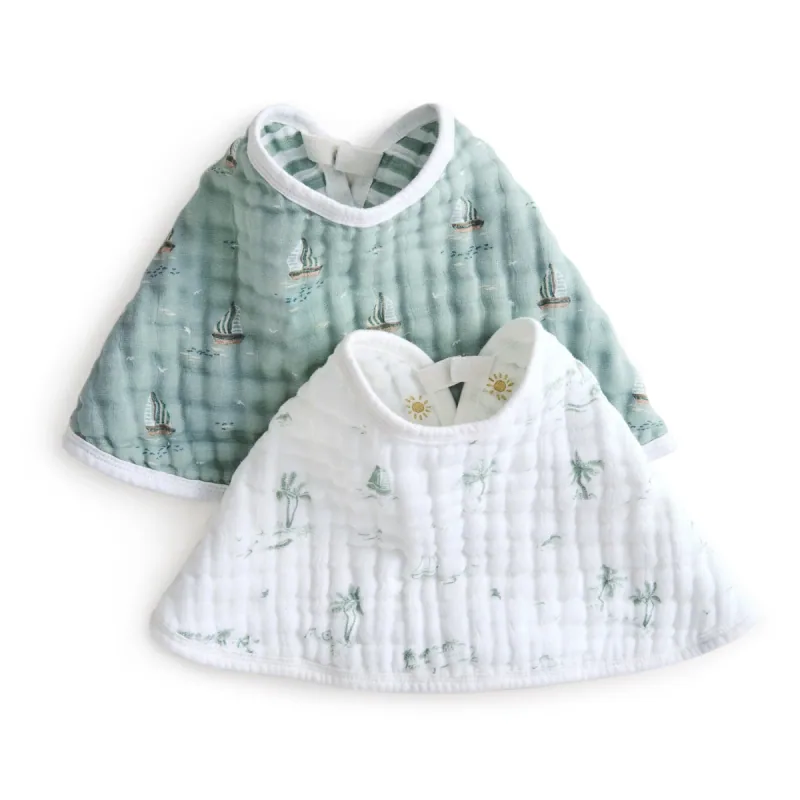
A burp up cloth usually means a burp cloth: a washable piece of absorbent fabric used during feeding and burping. You may also see the terms spit-up cloth or shoulder cloth. If you are putting together a diaper bag, focus on coverage, clean replacements, and a place for used fabric rather than the name on the package.
Feeding2 products, compared
Burp up cloth: what it is and how to pack one for outings
A burp up cloth is a burp cloth for spit-up cleanup. Learn what to pack for feeds away from home, keep clean and used items separate, and restock simply.
Jump to a section
The quick answer
A “burp-up cloth” usually means a burp cloth: an absorbent washable textile placed over an adult’s shoulder or lap for spit-up cleanup. Choose enough coverage for your holding position, keep a clean spare nearby, and replace the cloth when wet.
- The usual shopping term is burp cloth.
- Position it before lifting the baby into the burping hold.
- Keep the wet side away from the baby’s face when moving it.
- Cleanup gear does not treat reflux or feeding pain.
At a glance
The details that make a difference when you’re deciding.
| Moment | Simple action | What it solves |
|---|---|---|
| Before the feed | Place clean cloth and spare within reach | Avoids searching while holding the baby |
| Before shoulder burping | Cover the likely front-and-back spill route | Improves placement |
| After a spill | Keep support, change wet cloth, separate used fabric | Reduces transfer to skin and clean supplies |
A closer look
Products mentioned in this guide
Actual product photos, manufacturer information, and direct links. Comparisons are based on published specifications; these are not hands-on test results.
01
An absorbent cloth for a parent’s shoulder
Mushie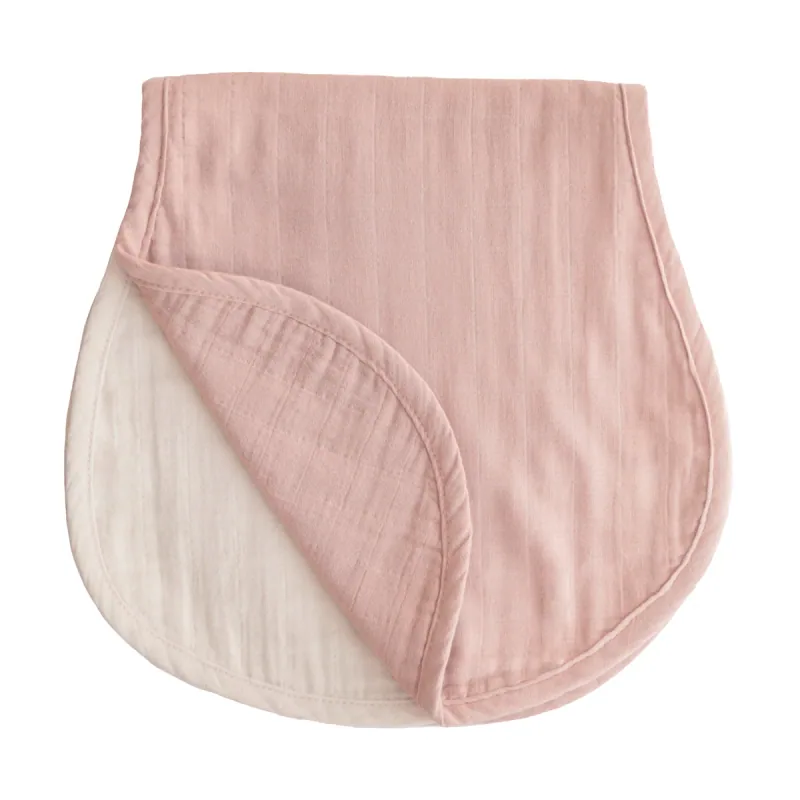
Organic Cotton Muslin Burp Cloth 2-Pack
Mushie’s curved muslin cloth is a straightforward option for milk cleanup when you want a washable fabric surface across your shoulder. The two-pack makes it possible to keep one in use and another in the wash. Its value is the coverage and absorbent construction, rather than a molded pocket. Compare the actual outline with where spit-up lands when you hold your baby; the cloth still needs positioning and replacement when wet.
- 100% organic cotton
- Pre-washed muslin
- Pack includes two cloths
- Rounded, extended shoulder shape
Where it fits
- Washable fabric for repeated feeds
- Two cloths support a small rotation
What to weigh up
- No wearable fastening for the parent
- Absorbency is finite; replace when damp
02
Long shoulder coverage with a layered cloth
Copper Pearl
3 Pack Premium Burp Cloths - Genevieve
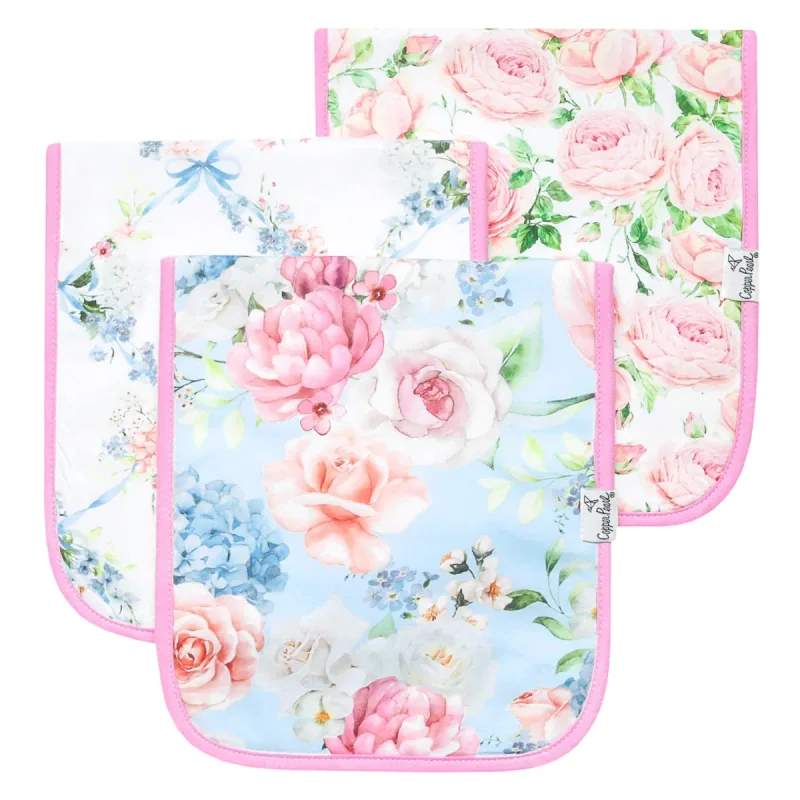
Copper Pearl’s Genevieve burp cloths pair cotton outer surfaces with a fleece middle layer. The 21-by-10-inch size gives a concrete measurement to compare with your shoulder, forearm, or lap. The three-pack may suit a small rotation, though the right quantity depends on your actual changes and drying time. This is a fabric cloth that needs positioning; the manufacturer’s absorbency language should not be read as a guarantee that every spill will stay off clothing.
- Three cloths in this set
- 21 × 10 inches
- Cotton front and back
- Fleece middle layer
Where it fits
- Documented dimensions
- Layered absorbent construction
What to weigh up
- Can shift while the baby moves
- Check care guidance for the layered fabric
Pack around the feeds you expect
Think through the length of the outing and where feeds are likely to happen. A short visit nearby may require fewer supplies than a day with several stops and no washing facilities.
Pack the number of cloths you realistically expect to use, then add a spare for an unexpected spill or delay. Include a change of baby clothes if that is part of your normal routine. An adult shirt can also be a practical backup on a longer trip.
Use your recent experience instead of a universal packing number. The burp cloth quantity guide shows how to turn actual use into a manageable stock.
Make clean items easy to find
Choose one pocket or pouch for clean cloths. Fold them in a way that makes it obvious which are ready to use rather than scattering loose pieces through the bag.
Tell another caregiver where the clean supply lives before leaving. A label or consistent pouch color can reduce searching, especially if several people use the same diaper bag.
Place one cloth within adult reach before beginning the feed. It is easier to protect clothing when the cloth is ready than to pull it out after the baby is already against your shoulder.
Separate used cloths until you get home
Put damp or soiled cloths in a designated washable pouch or appropriate bag, away from clean feeding supplies. This is temporary transport, not long-term storage.
Empty the pouch when you return and clean it according to its instructions. Launder the cloths using their care labels, then let everything dry fully before repacking. Do not leave yesterday's damp fabric hidden beneath a spare outfit.
If you repeatedly run out of cloths, add one purposeful backup. If several never leave the bag, reduce the load rather than carrying an unnecessarily full kit.
Plan the handoff and the ride home
Before handing the baby to another adult, show where the cloth should sit and keep the baby's face visible. A cloth helps with cleanup but does not replace supporting the baby.
Keep loose cloths and bibs out of the baby's sleep setup. The Canadian Paediatric Society advises removing bibs before sleep. If a feed runs into nap time, finish the cleanup and use the appropriate sleep space.
At the end of the outing, restock immediately or leave a simple note showing what is missing. A diaper bag that resets the same way each time makes the next trip easier, whether you call the item a burp cloth, burp up cloth, or spit-up cloth.
What to buy when the search wording is unfamiliar
Look for “burp cloth,” then check that the result is a washable shoulder cloth rather than a small baby bib, decorative blanket, or wipe. A useful product listing shows the flat outline, its dimensions, material layers, and care instructions. An image of a matching nursery set may look reassuring without showing the item you actually need.
Two concrete examples are Mushie’s Organic Cotton Muslin Burp Cloths and Copper Pearl’s Genevieve Burp Cloths. Mushie uses a curved muslin shape; Copper Pearl lists a 21-by-10-inch cloth with cotton surfaces and a fleece middle. Those are meaningful construction differences to compare before choosing a color.
Set up the cloth before the feed gets busy
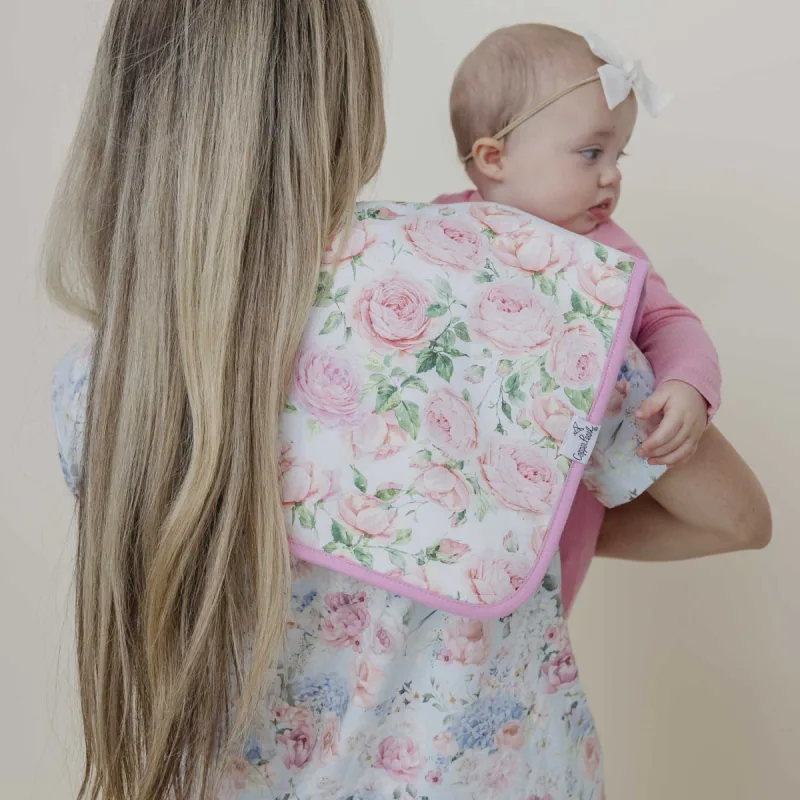
Place a clean cloth where you can reach it with one hand and keep a second nearby. If you plan to burp over your shoulder, lay the cloth across the top of the shoulder so some coverage extends down the front and back of your clothing. Make adjustments before bringing the baby into position rather than tugging at fabric while trying to maintain support.
Follow the burping and holding advice given for your baby. A cloth should not cover the baby’s face, obstruct observation, or interfere with your secure hold. Keep its loose ends managed, and do not use cords or pins to turn an ordinary cloth into a wearable accessory.
Respond to a spill with a simple sequence
Keep the baby supported, move a saturated area away from the face, and use a clean part or fresh cloth for gentle cleanup. If clothing underneath is wet, change it when you can do so safely. Fold the used cloth with the wet area inward for transport to the laundry container, without returning it to the clean stack.
Do not shake out a cloth that is holding liquid or try to stretch a wet cloth across several more feeds to avoid laundry. Absorbent fabric has a limit. If spills regularly miss the side, reassess placement or width rather than assuming the cloth is failing to absorb what never landed on it.
Keep a small first-week supply and learn from it
A few cloths are enough to learn which outline you reach for, but the total rotation depends on actual use and completed laundry. Count daily clean changes, multiply by the days until washing and drying are finished, and add separate outing or caregiver supplies. Our quantity guide includes worked examples.
Wash new cloths according to the label and inspect how they feel afterward. A product that becomes rough, distorts, or remains damp too long may not fit the routine even if its original photograph looked ideal. Record that practical observation before purchasing duplicate sets.
Keep spit-up cleanup separate from a health concern
Many families need routine cleanup supplies, but a cloth is not a treatment for vomiting, discomfort, or poor feeding. Contact the pediatrician about persistent pain, reduced intake, fewer wet diapers, poor growth, or other changes that worry you. Green or bloody vomit, forceful repeated vomiting, or an ill-looking baby needs prompt medical advice.
The AAP explanation of why babies spit up helps distinguish ordinary cleanup questions from symptoms that deserve assessment. Describe what you observe rather than using the amount of laundry as the only measure of severity.
A few more details
Your questions, answered
Is a burp up cloth different from a burp cloth?
The terms usually describe the same type of cloth used to manage spit-up during feeding and burping. Check the actual size, material, and intended use.
How should I carry a used burp cloth home?
Keep it in a separate washable pouch or appropriate bag away from clean supplies, then remove and launder it promptly when you return.
Where should I put the clean spare during a feed?
Keep it within easy reach at the feeding area, separate from used cloths. Position the first cloth before lifting the baby into a burping hold.
Should I keep using the same cloth after it is soaked?
Replace it with a clean, dry cloth. Saturation reduces useful absorption and can transfer moisture to the baby or clothing.
Sources & product information
Follow the original sources for current product details, instructions, and guidance.